


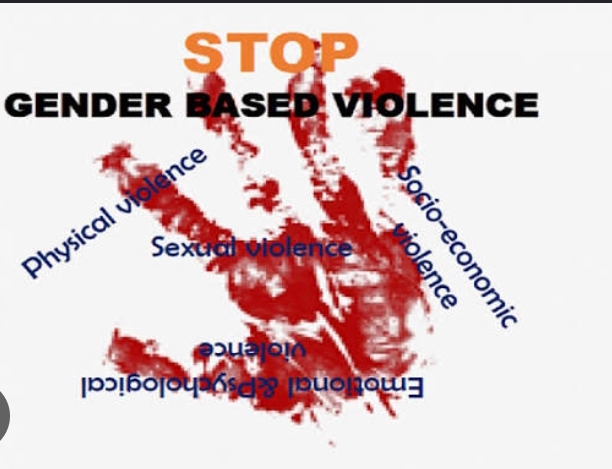
Sexual and gender based violence, SGBV, is an umbrella term for any harmful act perpetrated against a person’s will , that is based on socially ascribed, gender differences between males and females, and is rooted in unequal power relations.
SGBV includes but not limited to sexual violence, physical, emotional and psychological violence, harmful traditional practices and socio-economic violence.
SGBV scares are in the news almost daily in Nigeria and globally but the coverage often swings between silence and sensationalism.
As the fourth estate of the realm, journalists have an ethical duty to report sgbv in ways that inform the public, protect survivors as well as drive accountability without causing further harm.
Reporting sexual and gender-based violence requires more than just stating facts.
It demands sensitivity, accuracy, and a clear understanding of the social legal and human impact behind each story in shaping how society responds to the report.
Reporting SGBV should not be about sensationalization, but more about holding journalism, institutions and communities accountable for telling these stories with dignity, truth and care.
When journalists report on sexual and gender-based violence, every word matters. The way the story or report frames survivors, chooses sources and present context can either challenge stigma or reinforce it.
Journalists must ask tough questions about ethics, cultural sensitivity and the role of the press in shaping public attitudes.
Journalists must prioritize do-no-harm principles, that is protecting identities, avoiding graphic details that retraumatize and never publishing information that could lead to a survivor being identified.
Consent and safety should guide every editorial decision.
Since words shape perception, journalists should avoid victim-blaming phrases like “alleged victim” “she asked for it “!journalists should frame SGBV as a systemic issue tied to power, gender norms and impunity, not as isolated scandals or crime stories.
Every write-up should go beyond the incident, it must provide context on laws like the violence against persons prohibition act, VAPP, support services and patterns in the community.
It must also hold institutions such as police, schools, and religious bodies among others accountable.
Instead of focusing only on individual perpetrators, reporting should also not forget to include experts, advocates, legal aid, and survivors who choose to speak. It should also center on what is working, support systems centers, community responses, convictions, and prevention efforts.
All these shifts the narrative from despair to agency and public responsibility that practitioners and reporting demands actively replace harmful narratives with context-specific, survivor-centered messages that foster positive impressions.
Without sustained media attention, survivors and their families may not get justice. It should be noted that reporting sexual and gender-based cases is one of the most sensitive assignments a journalist can take on and see as a public service.
When journalists report SGBV, with dignity, and document violence, it helps end it.
Written by Olubunmi Olalere, Deputy Director, News and Current Affairs Department, FRCN Ibadan Zonal Station.